This is an honest commercial case study, of what one nonfiction book has generated and what made the difference
One of the most common questions aspiring authors ask me is: how much money can I make from my book?
The answer is anything from nothing to a great deal. But it depends enormously on what we mean by making money from a book.
Most people immediately think about royalties. They imagine their book sitting on the shelves of bookshops, selling thousands of copies and generating a steady stream of income. There is nothing wrong with that ambition, but for most nonfiction authors, book sales are only one part of the commercial opportunity and often not the most valuable part.
A good nonfiction book can generate retail sales, direct sales and bulk orders. More significantly, it can attract coaching clients, speaking engagements, consulting projects, programme sales, partnerships and opportunities that may never have existed without it.
That is why I’ve always said: your book is not the business. It is a powerful business development tool, but only if you give it a job and leverage it with intention.
An honest commercial case study
Before I share the figures, I want to make something very clear: these are real numbers.
They aren’t inflated projections, vague estimates or hyped-up claims designed to convince you that publishing a book is a magical pathway to effortless wealth. They come from actual book sales, actual coaching clients, actual speaking engagements and an actual online programme.
My book Someone Has to Be the Most Expensive was officially published on 9 October 2020. Almost six years later, this is what I can directly attribute to it:
- Launch sales: 500 limited edition hard cover versions at $50 – $25,000
- Other book retail type sales since launch – $40,000
- Bulk book sales – $15,000
- Coaching sales – $260,000
- Speaking sales on this specific topic – $180,000
- Online programme sales – $10,000
That gives us total gross revenue of approximately $530,000.
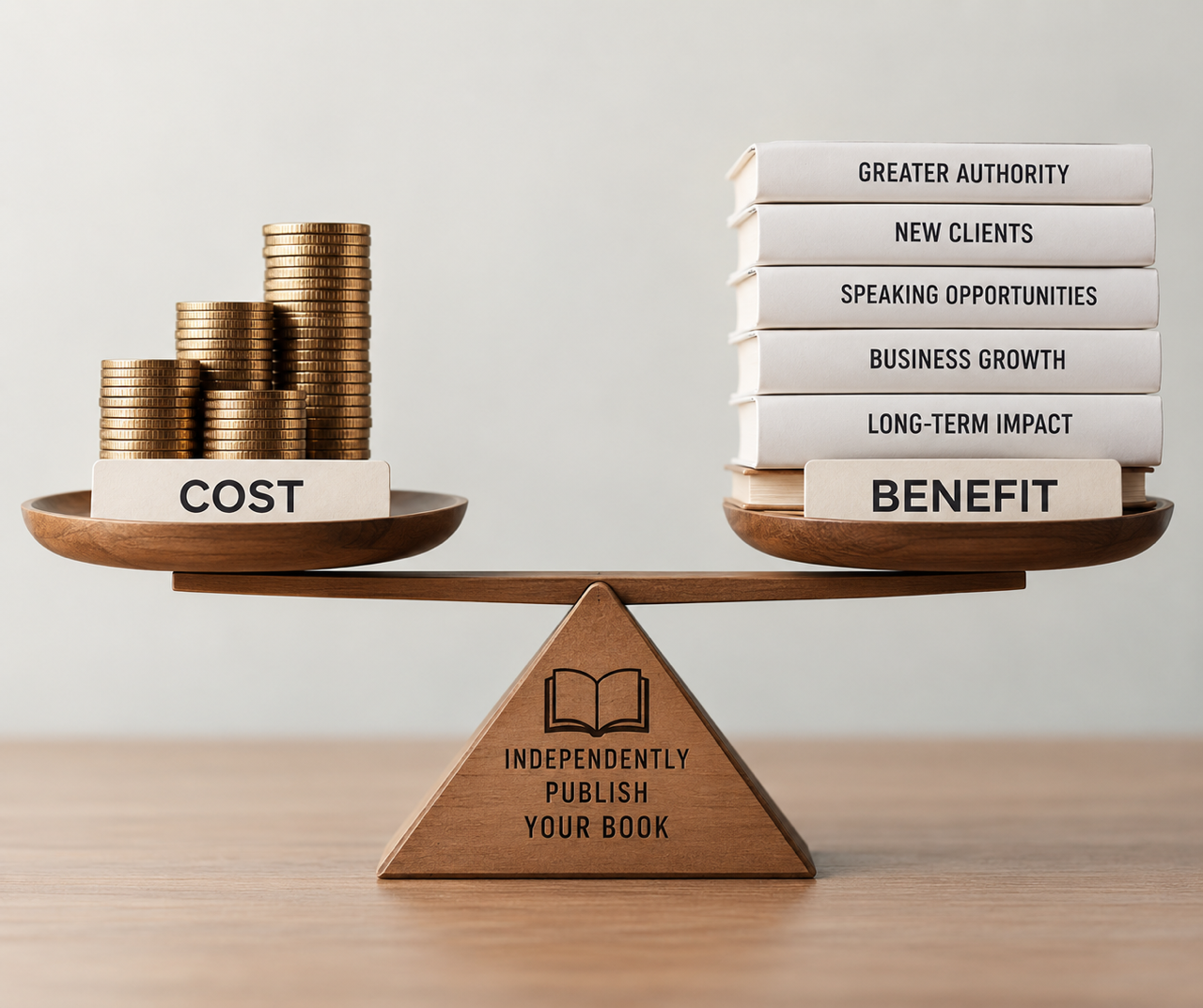
The book cost approximately $25,000 to publish, including the production of the audiobook. In gross revenue terms, it has generated more than 21 times the original publishing investment and it is still working.
Is $530,000 over almost six years an extraordinary amount of money? That depends on how you look at it. It hasn’t replaced my business income, nor has the money appeared passively in my bank account. I still had to deliver the coaching, give the presentations and run the programme. There are costs associated with operating those parts of my business, so this is gross revenue, not pure profit.
But this is revenue attributable to one business asset, one of 15 books I have written, which cost approximately $25,000 to create and continues to open doors almost six years later. Viewed through that lens, I consider it an exceptional return.
This is the real story behind the numbers.
Direct and bulk book sales account for approximately $80,000 of the total revenue. That is a healthy result, but it represents only around 15 per cent of the money the book has generated.
The other $450,000 almost 85 per cent came from coaching, speaking and online programme sales.
In other words, the book made $80,000. What the book made possible generated $450,000.
This is where many authors think too small. They become preoccupied with how many copies they might sell, how much royalty they will receive and whether their book will be stocked in a particular bookshop. Meanwhile, the far bigger commercial opportunity may be sitting in the products, services and expertise surrounding the book.
Selling copies through bookshops has barely featured in the commercial results for Someone Has to Be the Most Expensive. The real value has come from using the book as a leveraging tool.
It helps potential clients understand how I think. It explains my philosophy around value, pricing and becoming the most expensive option in a crowded market. It demonstrates my experience and gives people confidence that I understand the subject deeply.
By the time someone enquires about coaching or speaking, the book has often done much of the heavy lifting. It has built credibility, reduced perceived risk and started the relationship before we have even spoken.
The real financial key is constant leverage
The lesson is not that publishing a book will automatically make you $530,000. It won’t. The lesson is that a commercially smart book, connected to the right products and services and leveraged consistently over many years, can generate substantially more money from the opportunities it creates than from the copies it sells.
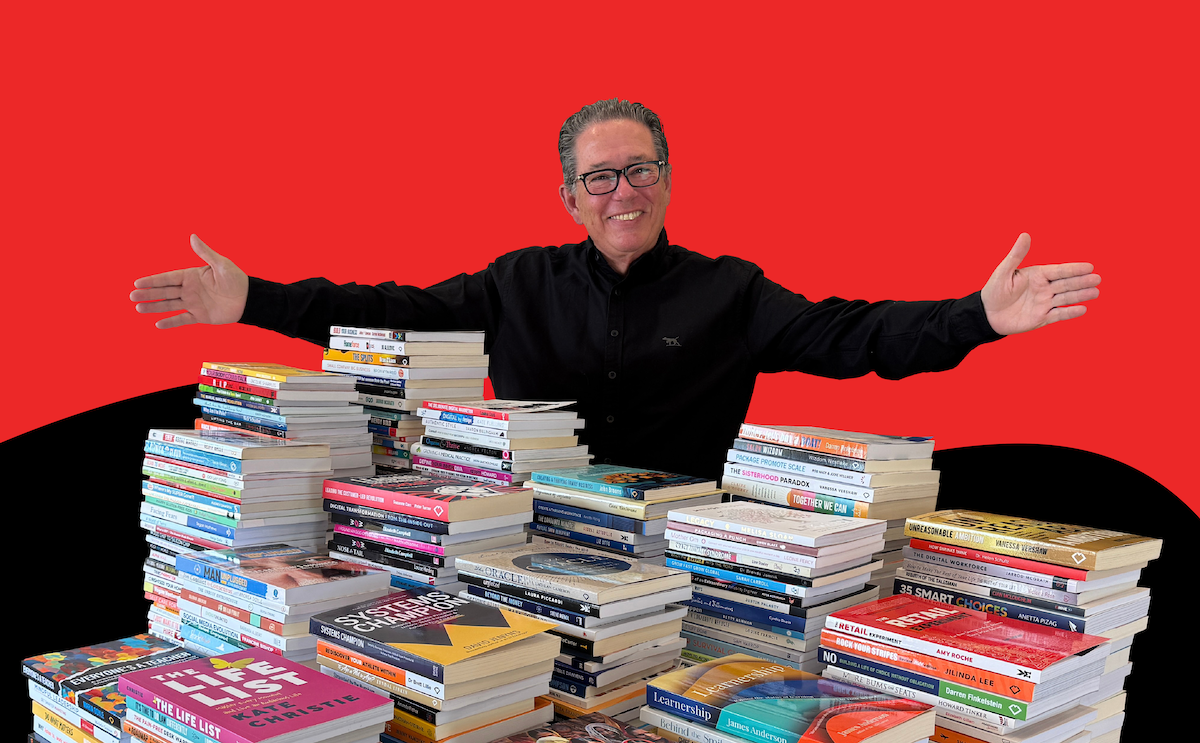
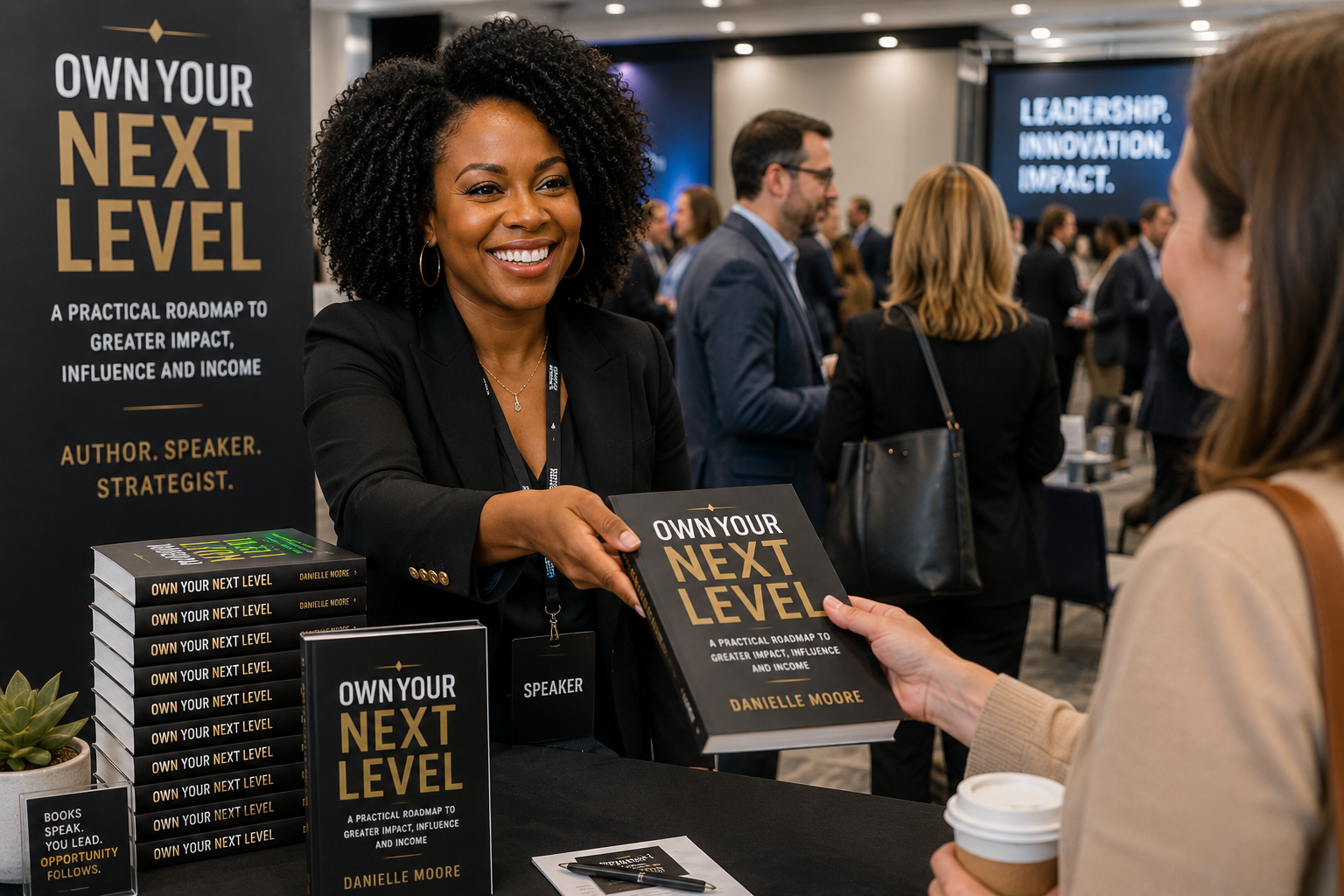
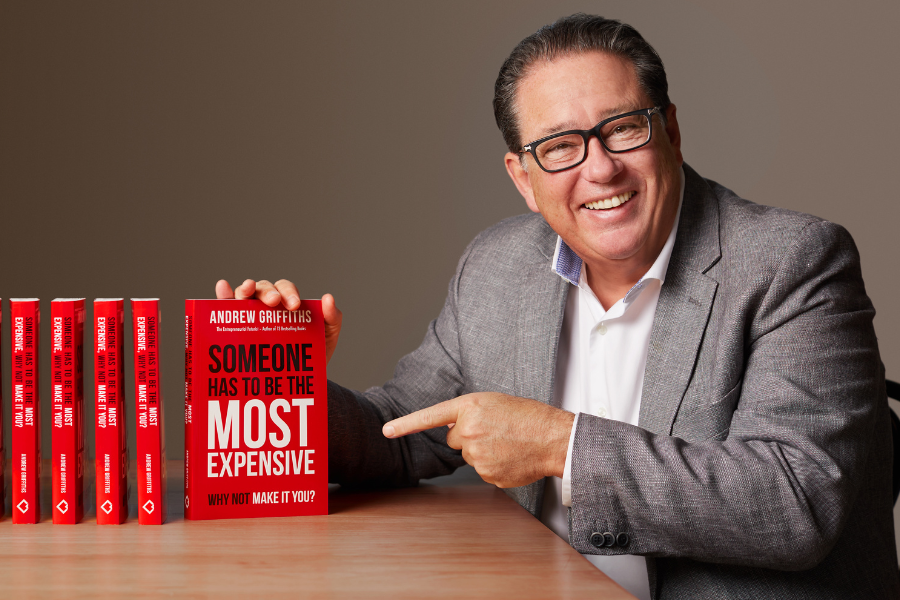
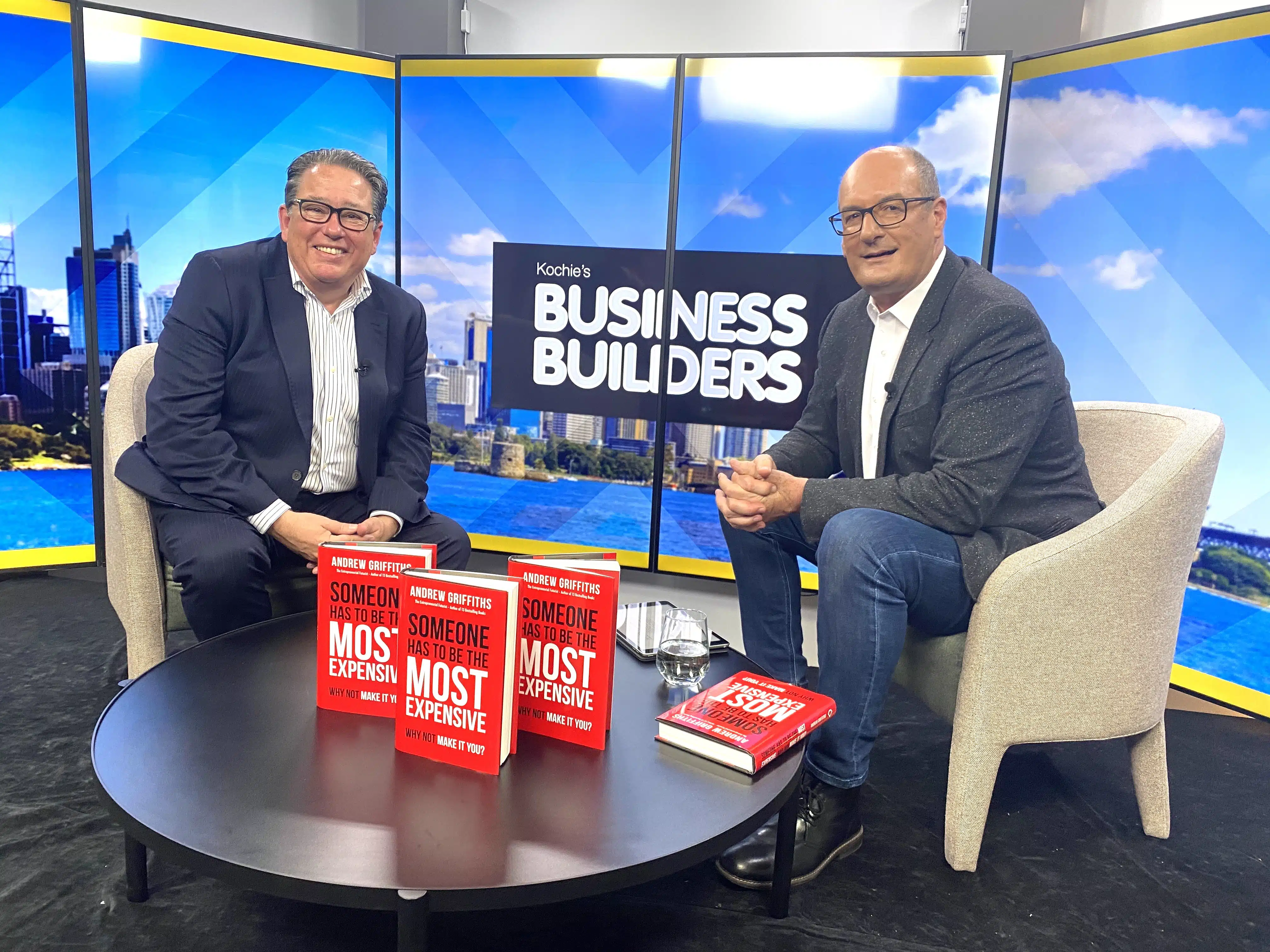
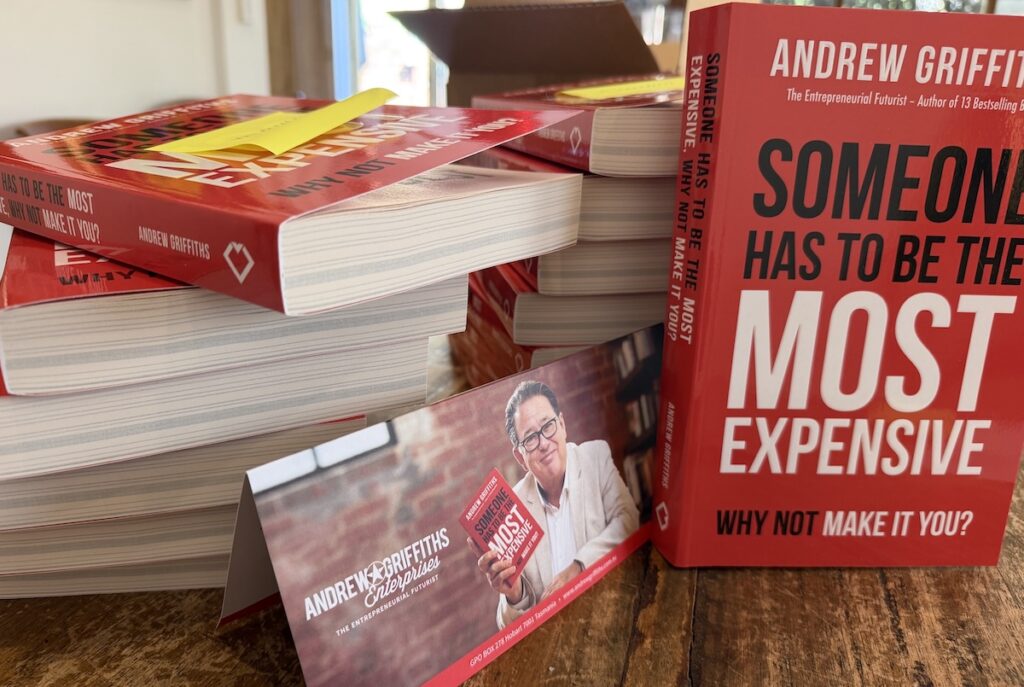
The photograph accompanying this article shows the books I’m sending out this week. Around 30 are retail sales. The rest are being sent to potential clients, media contacts and collaborators. Those books are not simply giveaways, they are strategic investments.
Some may lead to nothing, and that is perfectly fine. Others may begin a conversation, introduce my work to a new organisation, prompt a speaking enquiry, reach a journalist, deepen a relationship or lead to a valuable collaboration.
I don’t know precisely which copy will create which opportunity. But I do know that a book sitting in a box cannot do anything. A book in the hands of the right person can do an enormous amount.
This is what leveraging a book looks like in practice. It is not a single launch campaign followed by the hope that people will somehow continue to discover it. It means actively and consistently putting the book to work.
You talk about its ideas. You create content around them. You use the book in presentations. You send it to the people and organisations you would like to work with. You share it with media, associations and potential collaborators. You put it into the hands of people who can benefit from it or introduce it to others.
The launch may last a few weeks, the leveraging should continue for years
Your book needs a commercial ecosystem
If you want your book to generate meaningful revenue, you need to think beyond the book itself.
What can readers do after finishing it? Can they engage you for advice? Can they book you to speak? Is there a programme they can join, a workshop they can attend or a service that helps them implement what you teach?
This is what I call your product architecture: the collection of relevant products and services that sits around your book.
A $35 book may generate a relatively small return from each sale. But if that book introduces the right person to a $5,000 programme, a $20,000 consulting project or a significant speaking engagement, its commercial value changes completely.
This does not mean your book should become a 200-page brochure. It must stand on its own and deliver genuine value. But if readers want more help, there should be an obvious and natural next step available to them.
Ask a bigger question
There is no universal answer to how much money a book can make. For some authors, success may mean selling thousands of copies and earning substantial royalties. For others, the book may generate relatively modest sales while leading to hundreds of thousands of dollars in business opportunities.
The more useful question is not simply: How many copies can I sell? It is: What can this book make possible?
Can it establish you as a trusted authority?
Can it attract better clients?
Can it attract more speaking opportunities and increase your speaking fees?
Can it help you launch a programme?
Can it open doors to organisations, media, partnerships and opportunities that were previously out of reach?
Almost six years after publication, Someone Has to Be the Most Expensive continues to generate coaching enquiries, speaking engagements, bulk orders and other opportunities. The commercial return has already been significant, but its work is far from finished. In fact I’m now looking at doing an updated edition, which will require another $25,000 investment, but to me, that’s once again, a safe and wise investment.
That is the real opportunity of writing a strategically smart nonfiction book. You are not simply creating something to sell for $35 or $50. You are creating an asset that can build trust, establish authority and generate opportunities for years, perhaps decades, to come.
But it will only keep working if you keep putting it to work.