A lot of authors expect a lot from their book. They want it to build credibility, attract better clients, create speaking opportunities, get them into the media, grow their profile and open doors that have been hard to open in the past. Fair enough too.
A good nonfiction book can absolutely do all of those things. I have seen it happen many times. But I have also seen the opposite happen far more often. The book gets written, published, launched and celebrated for a few weeks, then very little changes.
The problem is rarely that the author didn’t work hard enough. Writing a book takes a lot of work. The problem is usually that the book was never given a clear job to do.
Your book Is not the business
This is one of the biggest mindset shifts in The Business of Being an Author. Your book is not the business. Your book supports the business. It is not meant to sit there quietly, hoping someone discovers it. It needs to be designed and used as a strategic asset. That starts by asking better questions.
What do you want this book to make possible? Do you want it to bring in consulting clients? Do you want it to build your speaking profile? Do you want it to support a workshop or programme? Do you want it to position you as the obvious expert in a specific area? Do you want it to start better conversations with a particular type of reader? These questions matter because they shape the book.
A book written to attract corporate clients will be different from a book written to build a community. A book designed to generate speaking work will need different stories, examples and positioning from a book designed to support a coaching programme.
This does not mean the book becomes a brochure. Please don’t write a brochure pretending to be a book. Readers can smell that a mile away.
immense value creates commercial power
A good commercial book still has to be generous. It still has to be valuable. It still has to help the reader. In fact, the more useful the book is, the more commercial power it usually has.
Write the book with Intent
But it also needs intent. Too many authors finish the book and then ask, “How do I market it?” That is not a bad question, but it is often asked far too late. The better question is, “How do I design this book so it can create the right opportunities from the beginning?”
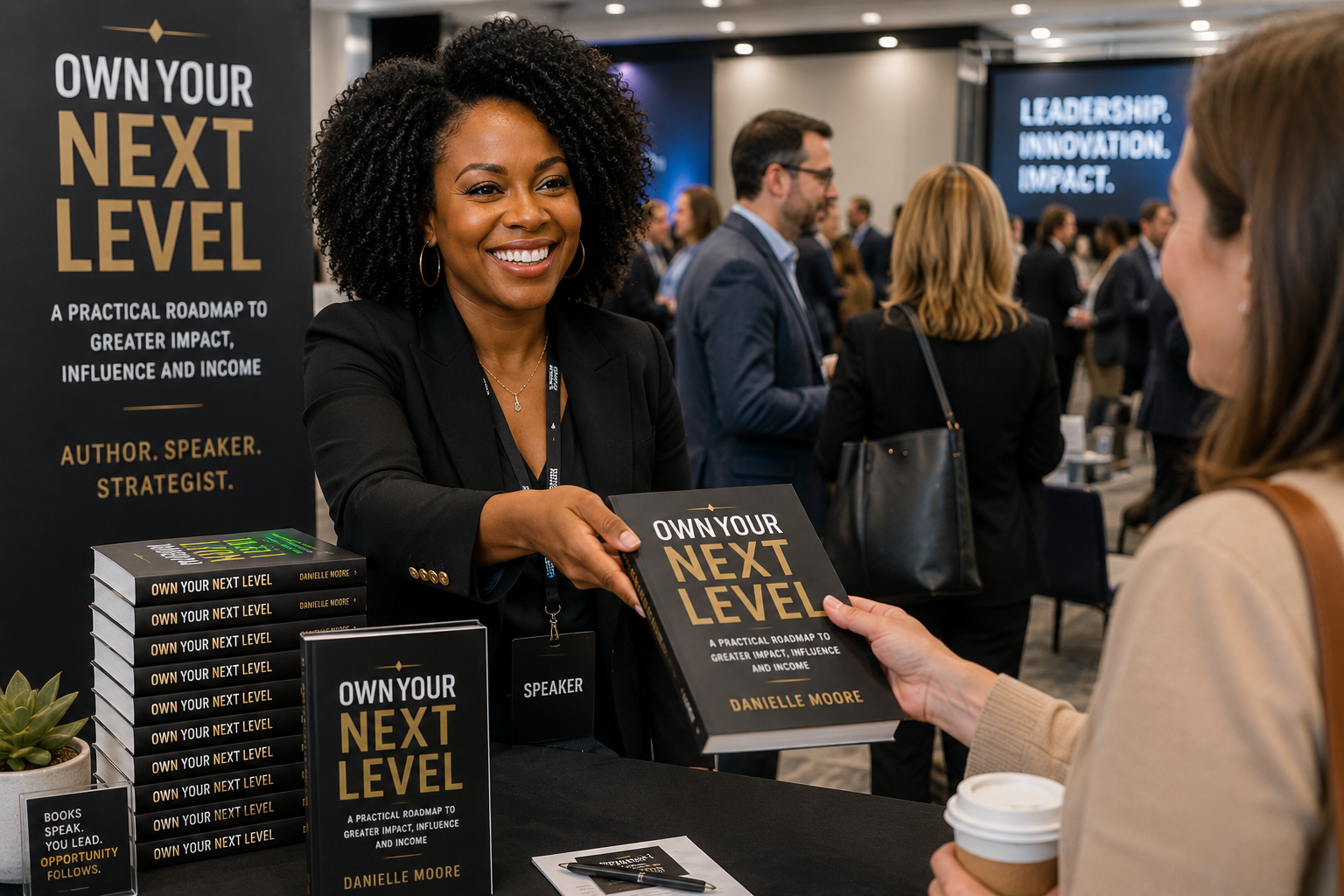
That is how commercial authors think. They don’t write and hope. They write and build. They understand that the book is evidence of their thinking, their expertise, their standards and their value. They use it to start conversations, strengthen trust and lead people towards the next logical step.
If you want your book to build your business, don’t leave that to chance. Give it a job from the start. Then write, publish and leverage it with that job in mind.