Your book has a job to do. Here’s how to make sure it earns its keep
Writing a book is hard. Publishing a book is exciting. Leveraging a book is where the real commercial opportunity begins, but sadly this is the bit too many authors miss. They put years into writing the book, months into getting it edited and designed, a big burst of energy into the launch, and then they quietly move on. The book gets a few social media posts, a mention in the newsletter, maybe a launch event if they are feeling brave, and then it starts drifting into the background.
That is a terrible waste of a very valuable asset. If you have written a good nonfiction book, especially one built around your expertise, your experience and your way of seeing the world, you need to use it. Not for a week. Not for a month. Not until you get bored. You need to leverage it like a lunatic.
Now, when I say that, I do not mean being annoying, desperate or constantly shouting “buy my book” at anyone who makes the mistake of standing still for too long. That is not leveraging. That is pestering.
Leveraging is smarter than that. Leveraging is using your book to open doors, start conversations, build trust, create opportunities and strengthen your positioning. It is about understanding that the book is not just something to sell. It is something to use.
There are many opportunities to leverage your book
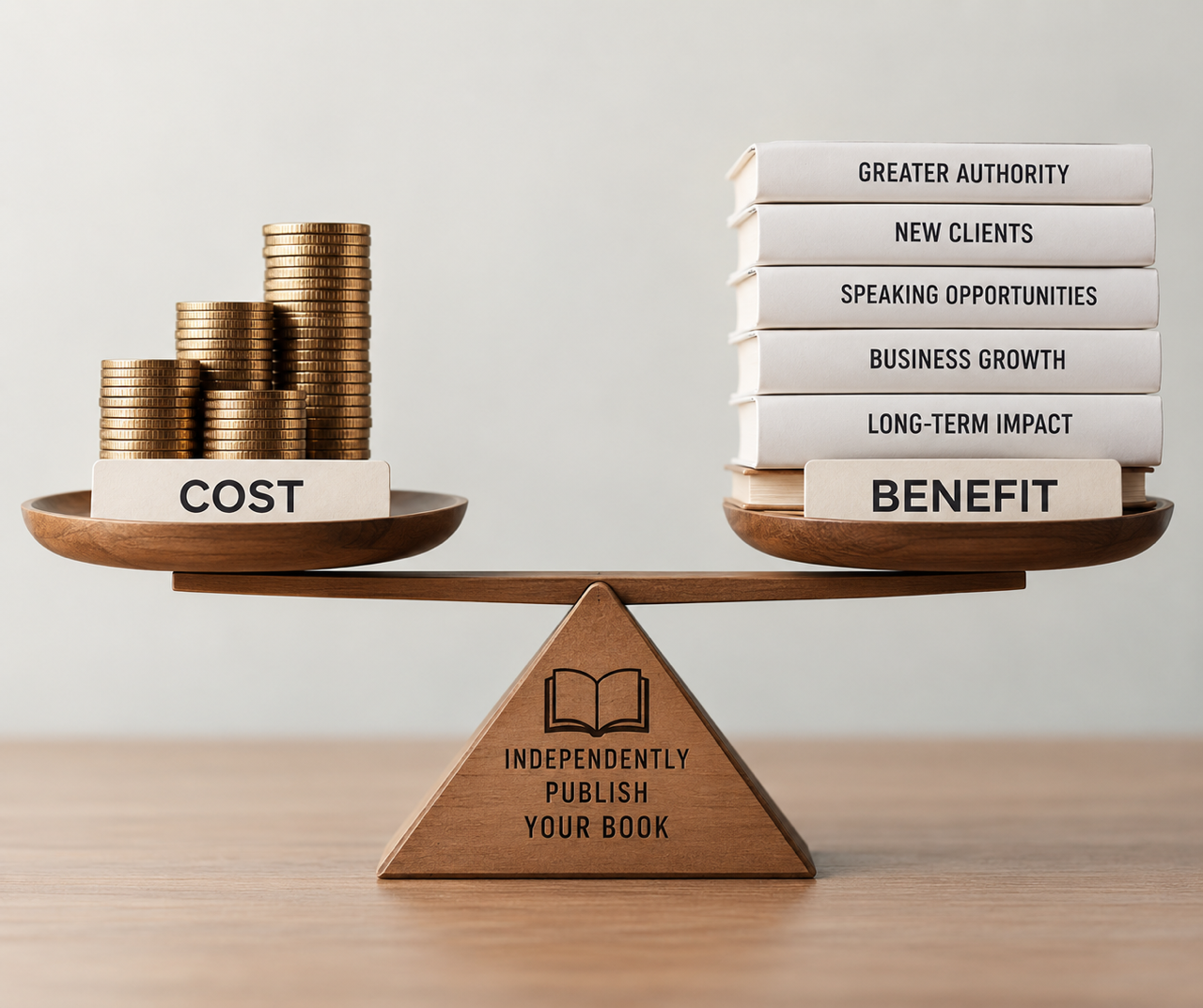
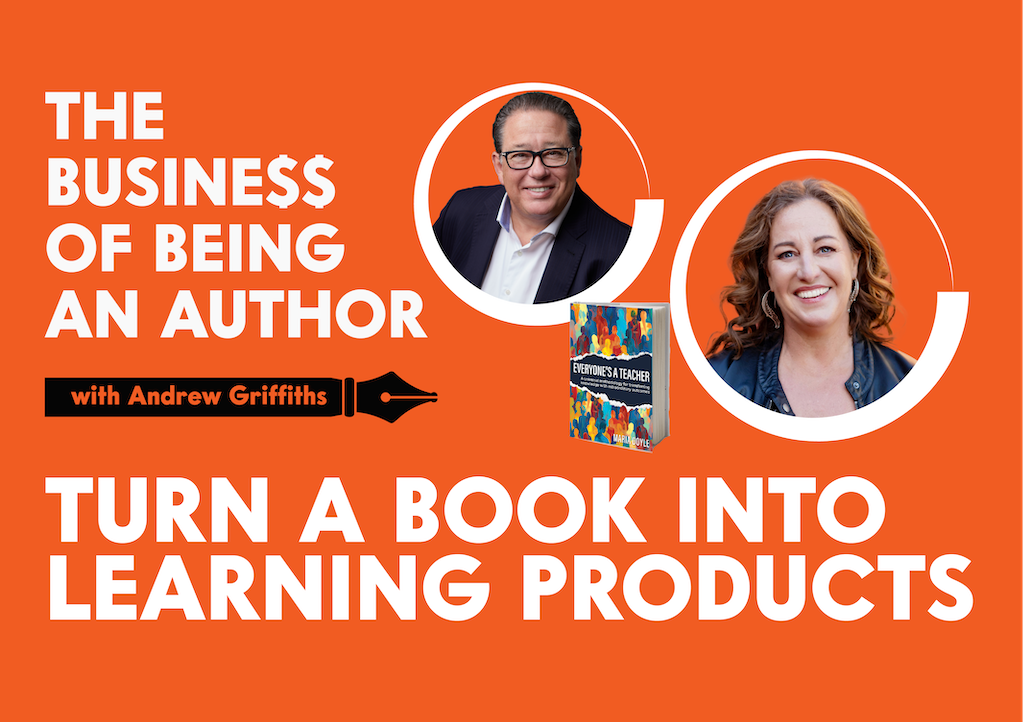
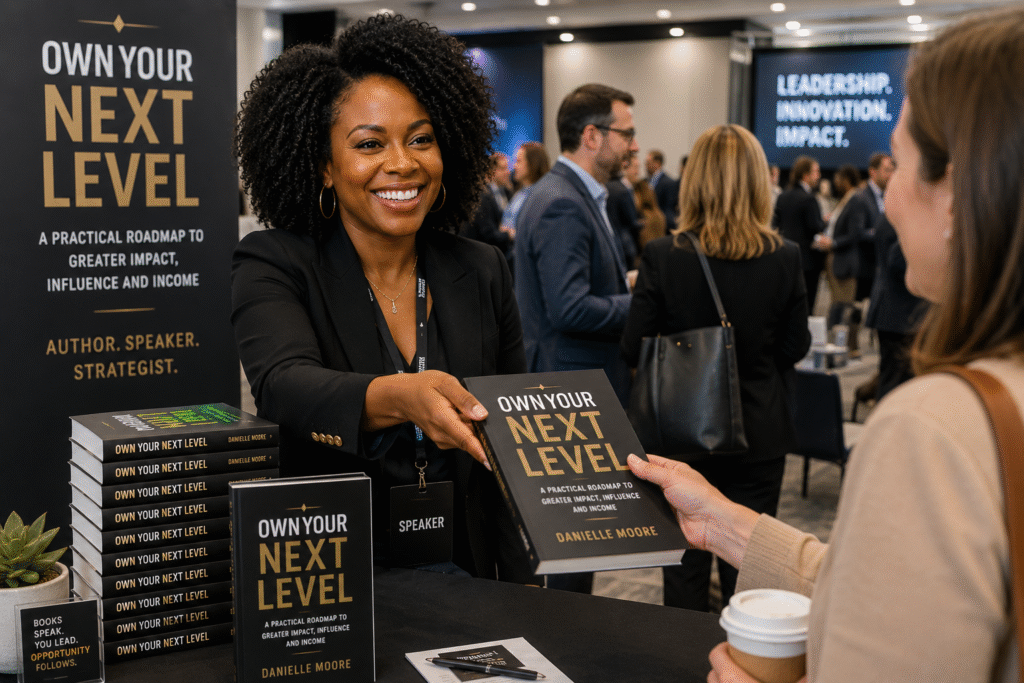
Your book can become a reason to reach out to a potential client. It can become the foundation of a keynote. It can become a workshop, a webinar, a podcast series, a media pitch, a bulk sales opportunity, a client gift, a lead magnet, a corporate programme or a strategic partnership conversation. One strong idea in your book can become an article, a short video, a diagnostic tool, a social media series or the opening to a very different kind of business discussion.
This is where commercial authors think differently. They do not ask, “How do I sell more copies?” as the only question. They ask, “How many ways can this book create value?” That is a much better question.
Your book has so much power
A book sitting in a box has potential. A book in the hands of the right person has power. One copy sent to the right decision-maker can be worth far more than one hundred copies sold randomly online. One chapter turned into a brilliant workshop can create more commercial return than a month of book sales. One framework explained clearly on stage can open a door you did not even know existed.
But none of this happens if the author is passive. You have to stay with the book. You have to keep talking about the ideas. You have to keep finding new angles, new audiences and new applications. You have to look at every chapter and ask, “What else could this become?”
Could this idea become a presentation? Could it become a checklist? Could it become a programme? Could it become a media story? Could it become a corporate conversation? Could it help an industry group? Could it solve a problem for a client? That is leverage.
And the truth is, most authors stop far too soon. They think the launch is the big moment. It isn’t. The launch is just the beginning. The real value of a book is often created months and years after it is published, when the author keeps building around it.
So yes, write the book well. Publish it properly. Make it world-class. Then get to work. Because the authors who win are not always the ones with the best books. They are the ones who know how to use them.