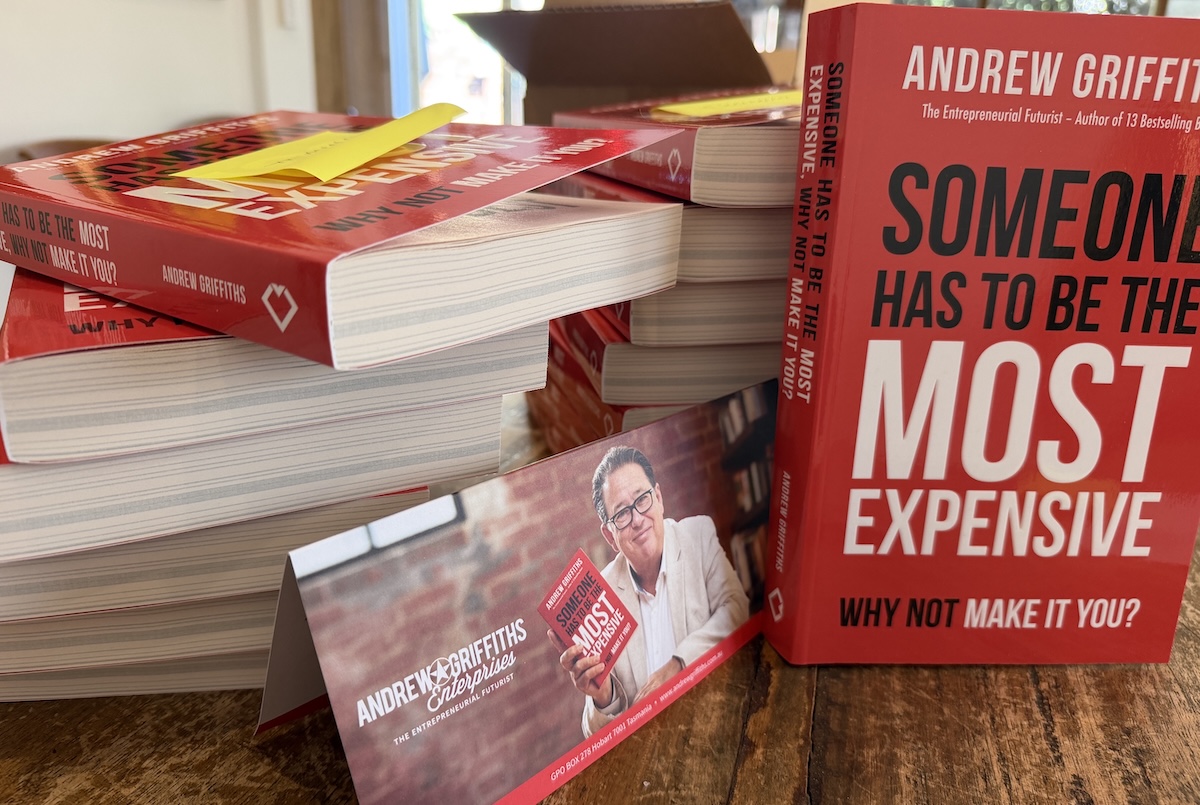
There is a very big difference between writing a book and thinking like a commercial author. This is one of the most important distinctions any nonfiction author needs to understand, preferably before they start writing, not after the book arrives in boxes and they are wondering what to do next.
Most authors put enormous energy into getting the book written. Fair enough too. Writing a book is a big undertaking. It takes time, discipline, emotional stamina and a level of self-belief that often gets tested along the way. But the danger is that the author sees publication as the finish line. The book is written, edited, designed, printed and finally released into the world, and then there is a quiet expectation that something significant will now happen. Sometimes it does. Most of the time, it doesn’t.
Not because the book is bad. Not because the author lacks talent. Not because the idea has no merit. More often, the problem is that the book was never really given a commercial job to do. It was written as a book, but not designed as a strategic asset. That is the commercial author mindset.
A commercial author understands that the book is not the business. The book supports the business. It builds trust. It starts conversations. It demonstrates expertise. It gives people a reason to pay attention. It can open doors to speaking, consulting, media, partnerships, workshops and higher-value clients, but only if the author has thought beyond the manuscript.
This is not about being hard-nosed or soulless. Quite the opposite. The best commercial authors care deeply about their reader. They want to write something useful, meaningful and genuinely valuable. But they also understand that a good book should create momentum. It should lead somewhere. It should make something possible for the reader and for the author.
That means asking better questions much earlier in the process. Who is this book really for? What problem does it solve? What do I want to be known for? What conversations do I want this book to start? What products, services, programmes or opportunities could sit around it? How will this book help me build a more valuable body of work?
These are not afterthought questions. They are commercial author questions. And when they are asked early enough, they shape a better book.
Too many authors write the book first and try to figure out the strategy later. That is a much harder road. A commercial author starts with intent. They still write with heart, generosity and substance, but they also write with direction.
Because in the end, a serious nonfiction book should never be treated as just something to sell. It is evidence. Evidence of how you think. Evidence of what you know. Evidence of the value you bring. Evidence of whether you are someone worth trusting, recommending and working with.
That is why the mindset matters so much. A commercial author does not write a book and hope. They develop a strategy long before they think about writing a word.